
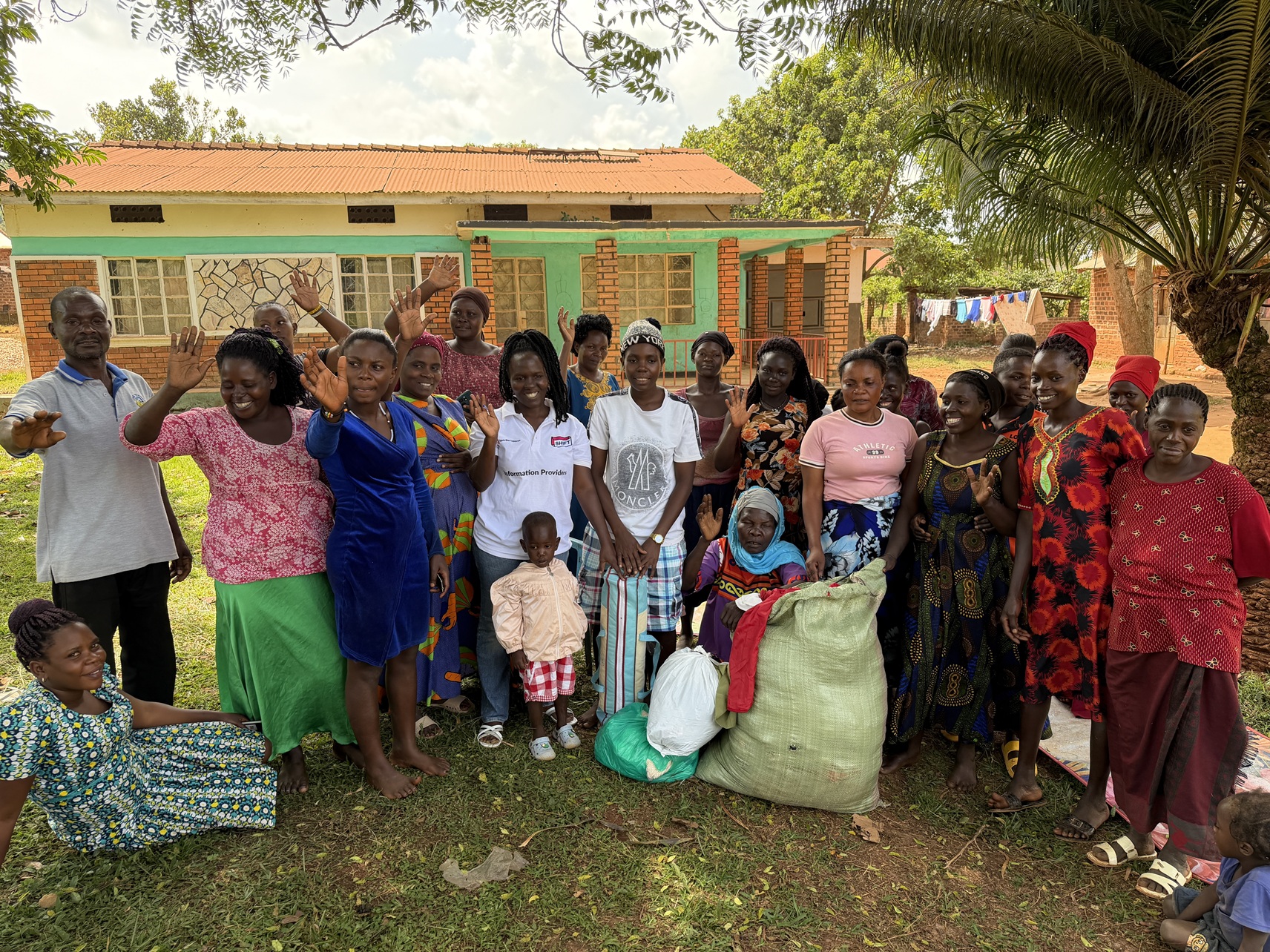
The 16 Days of Activism Against Gender-Based Violence, observed from 25 November to 10 December, is a time for communities to unite against all forms of abuse. This year, the theme, “UNiTE to End Digital Violence Against All Women and Girls,” highlights a growing challenge: the harm caused by abuse in digital spaces. Often invisible, digital violence, including online harassment, cyberbullying, image-based abuse, and social media threats has real consequences, particularly for young people and women.
While digital violence can feel overwhelming, there are practical steps people can take to protect themselves and others. Communities can start by learning to recognize the signs of online abuse and understanding that it is an extension of offline inequalities and power dynamics. Setting clear personal boundaries online, knowing how to block or report harassing accounts, and seeking support from trusted adults, social workers, or advocacy groups are essential measures.
Dialogue and awareness are also powerful tools for prevention. Conversations about respectful online behavior, consent, and boundaries help young people navigate digital spaces safely. Peer support networks can amplify these efforts, encouraging bystanders to intervene safely when harassment occurs, mentoring younger users, and promoting positive online interactions.
Action plans can further strengthen digital safety. Communities can organize awareness campaigns, workshops on online privacy, and guidance on reporting abuse. Adults and caregivers play a key role by monitoring online spaces, teaching safe digital habits, and supporting children when incidents occur. Young people, meanwhile, can advocate for safer online environments, challenge harmful content, and support peers experiencing harassment.
Ending digital violence requires ongoing collective effort. Pushing for stronger legal protections and platform accountability ensures that digital spaces are as safe as our schools, homes, and public spaces.
The 16 Days of Activism remind us that change starts with awareness, practical steps, and collective action. Through equipping individuals with knowledge, skills, and support, communities can make online spaces safer, protect the dignity and rights of everyone, and continue the fight against digital and offline violence well beyond the campaign.














Leave a Reply